Take the First Step Toward Energy Control
Power Faster Daily Charging With EV Charger Installation Services in Chula Vista, CA
Charging an electric vehicle from a standard household outlet can be slow and inconvenient, especially for drivers who rely on their vehicle every day. EV charger installation services in Chula Vista, CA, provide a more practical way to charge at home, at work, or at a multi-family property with equipment designed for higher electrical output and regular use.
A dedicated EV charging station can reduce the time needed to replenish a vehicle battery and make daily charging easier to manage. Level 2 equipment is commonly used for residential and commercial applications, while DC fast charger installation may be considered for properties that require substantially faster charging and higher electrical capacity.
A successful electric vehicle charger installation starts with understanding the property and its available electrical system. Existing panel capacity, service size, available circuits, charger location, wiring distance, conduit requirements, and expected charging demand all influence the installation plan. These factors help determine whether the existing electrical infrastructure can support the charger or whether additional upgrades are needed.
Residential EV charger installation can provide homeowners with a dedicated charging location in a garage, driveway, or other suitable area. Commercial EV charger installation can support employees, customers, tenants, fleet vehicles, and visitors depending on the property and charging goals.
The installation process also requires proper mounting, wiring, permitting, electrical calculations, and code-compliant connections. A charger should not simply be attached to a wall and connected without reviewing the building’s electrical capacity.
EV charger installation services help create a safer, more convenient charging setup that fits the vehicle, property, and expected usage. Proper planning makes it easier to support today’s electric vehicles while preparing the property for future transportation needs.
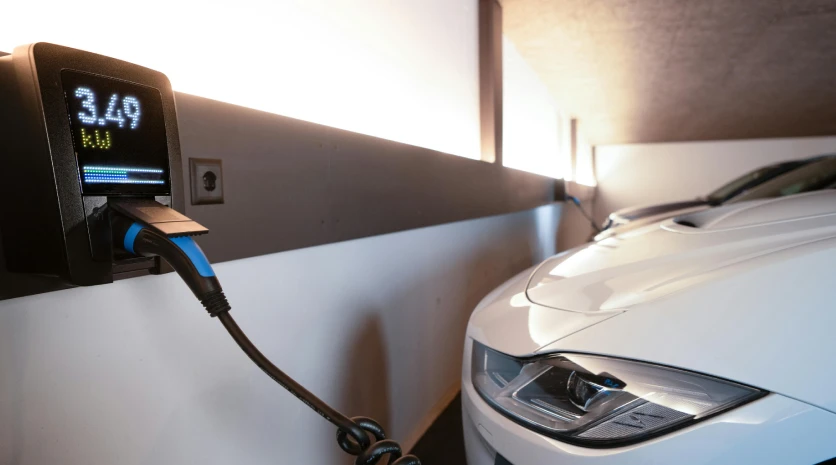
Match the EV Charging System to Your Vehicle and Property
The right EV charging setup depends on how the vehicle is used, how quickly it needs to recharge, and how much electrical capacity is available at the property. Homeowners, businesses, workplaces, and multi-family communities can have very different charging requirements, so the installation should be planned around real usage rather than a standard configuration.
Home EV charger installation commonly uses Level 2 charging equipment. These chargers operate at a higher voltage than a standard wall outlet and can provide substantially faster charging for compatible electric vehicles. For many drivers, this means plugging in after returning home and having enough charge available for regular driving by the next morning.
The required charger capacity depends partly on the vehicle. Different EVs accept different charging rates, so installing equipment with a higher rating does not always mean the vehicle will charge at that full rate. Charger selection should take the vehicle’s capabilities into account while also considering future vehicles that may have different charging requirements.
The existing electrical panel is another important factor. A Level 2 EV charger installation adds a significant electrical load, especially when the charger is operating at higher amperage. Load calculations help determine whether the property has enough available capacity to support the charger along with existing appliances, HVAC equipment, lighting, and other electrical loads.
Some properties may already have sufficient capacity for residential EV charger installation. Others may require an electrical panel upgrade, service adjustment, or load-management equipment before a charger can be added. Reviewing these requirements early helps avoid installing equipment that exceeds the property’s electrical limits.
Charger location also affects project planning. The distance between the electrical panel and the parking area can influence wiring, conduit, trenching, and installation complexity. A charger located on the opposite side of a building may require a longer electrical run than one installed near the main panel.
Mounting conditions matter as well. EV chargers may be wall-mounted or installed on pedestals depending on the property. Outdoor equipment needs to be suited for exposure to weather and positioned where drivers can connect vehicles safely without creating unnecessary trip hazards or blocking access routes.
For multi-family EV charging, the planning process may involve shared parking areas, assigned spaces, multiple charging stations, metering requirements, and future expansion. Property managers may also need to consider how electricity usage will be tracked or allocated among residents.
Commercial EV charging stations can present another set of requirements. Workplaces, retail properties, fleet facilities, and other commercial sites may need several chargers operating at the same time. Electrical capacity, parking layout, user volume, charging speed, and future expansion should all be considered.
An effective electric car charger installation is built around both the vehicle and the property. Matching equipment size, electrical capacity, charger location, and daily charging needs creates a system that is practical to use and prepared for continued EV adoption.
Support Homes, Businesses, and Multi-Family Properties With Dedicated Charging
EV adoption is changing how properties use electricity. Homes that previously needed power only for traditional household loads may now have an electric vehicle drawing a significant amount of energy overnight. Commercial properties may need charging access for employees, tenants, customers, or fleets. Multi-family communities may face growing demand from residents who cannot rely on public charging stations for daily use.
Residential EV charger installation gives homeowners control over where and when their vehicle is charged. Instead of making regular trips to a public station, drivers can connect their vehicle at home and charge while it is parked. This can make EV ownership more convenient, particularly for households with predictable daily driving patterns.
A dedicated home charging station can also be planned alongside other electrical improvements. Homes with solar panels, battery storage, electrical panel upgrades, or future electrification goals may benefit from considering EV charging as part of the broader electrical system.
Commercial EV charger installation can serve several purposes. Employers may provide workplace EV charging stations as an amenity for staff. Retail and hospitality properties may offer charging for customers or guests. Fleet operators may need dedicated charging infrastructure for multiple vehicles that return to the same location each day.
Multi-family EV charging requires careful planning because several residents may need access within the same property. Electrical capacity, parking assignments, charger quantity, wiring routes, and usage management can all affect the design. Future expansion should also be considered so the property is not forced to rebuild its charging infrastructure each time another resident purchases an electric vehicle.
DC fast charger installation may be appropriate for applications that require much higher charging speeds. These systems can deliver substantially more power than typical Level 2 equipment, but they also place greater demands on the electrical system. Commercial sites considering DC fast charging need to evaluate utility service capacity, equipment placement, electrical distribution, and expected vehicle turnover.
Dedicated charging can also support property modernization. Buyers, tenants, employees, and visitors increasingly expect convenient charging access as electric vehicles become more common. Adding charging infrastructure can prepare a property for changing transportation habits while making existing parking areas more useful.
Electrical planning remains central to all these applications. A charger may operate for several hours at a time, creating a sustained electrical load. Proper conductor sizing, breaker selection, grounding, disconnects, and equipment ratings are necessary for safe operation.
The installation should also consider accessibility and everyday use. Cable reach, parking orientation, equipment height, bollards where appropriate, signage, and mounting position can all influence how easy the station is to use.
EV charging installation services create dedicated infrastructure for a rapidly growing electrical load. Whether the charger is installed in a residential garage, apartment parking area, workplace, or commercial property, the goal is the same: create a safe and practical connection between the vehicle and the building’s electrical system.
Plan EV Charger Installation From Electrical Review Through Final Setup
Electric vehicle charger installation involves more than choosing a charging unit. The electrical system, charger location, permitting requirements, wiring path, mounting method, and expected demand all need to be coordinated before the equipment is ready for everyday use.
The process typically begins with an electrical assessment. Existing service capacity and panel load are reviewed to determine whether the property can support the planned charger. The assessment may include load calculations based on current electrical equipment and the charging station’s expected demand.
If adequate capacity is available, a dedicated circuit can be planned for the EV charger. If capacity is limited, additional electrical work may be needed. Depending on the property, this could include an electrical panel upgrade, service modification, or other equipment intended to manage the added load.
The charging location is then evaluated. For home EV charger installation, the preferred location may be inside a garage or on an exterior wall near the driveway. Commercial EV charging stations may be placed near employee parking, customer areas, fleet storage, or dedicated EV spaces.
The wiring route between the panel and charger is planned around the building layout. Conduit may be installed along walls, through ceilings, underground, or through other approved pathways depending on site conditions. Longer runs may require additional planning to support the electrical requirements of the charger.
Mounting comes next. Wall-mounted equipment must be secured to a suitable surface at an appropriate height. Pedestal-mounted chargers require a stable base and may involve additional site preparation. Commercial installations may also use protective bollards or other measures where vehicle contact is a concern.
Permitting and code compliance are important throughout the installation. EV charging equipment creates a substantial continuous electrical load, so breaker sizing, conductor sizing, grounding, equipment ratings, and connections must meet applicable requirements.
Once the charger is wired and mounted, the system can be configured. Some modern chargers include Wi-Fi connectivity, scheduling controls, usage tracking, access management, or adjustable charging settings. These features can help residential and commercial users control when and how charging occurs.
Testing verifies that the equipment is operating correctly. The charger should communicate properly with compatible vehicles, deliver power as intended, and function without creating electrical faults. Any connected monitoring or control features should also be checked before regular use.
For properties planning several commercial EV charging stations, additional coordination may be required. Load management can help distribute available electrical capacity between chargers rather than allowing all units to draw maximum power simultaneously. This can be especially useful at workplaces and multi-family properties where several vehicles may charge at the same time.
Future growth should be considered before the installation is finalized. A property that needs one charger today may need several in coming years. Conduit pathways, panel capacity, equipment placement, and parking layout can sometimes be planned with expansion in mind.
EV charger installation services connect transportation needs with a property’s electrical infrastructure. Careful planning from the initial load calculation through final equipment testing can create a charging setup that is safe, convenient, and ready for repeated daily use.

Plan Smarter Energy Upgrades
Considering solar, storage, EV charging, or electrical improvements? Discuss your property goals with our in-house project team.
Frequently Asked Questions About EV Charger Installation
-
Level 2 chargers are commonly used for residential charging because they provide faster charging than standard household outlets. The correct equipment depends on the vehicle and electrical capacity.
-
Not always. A load calculation can determine whether the existing electrical panel has enough available capacity or whether an upgrade is needed.
-
Yes. Multi-family EV charging can be planned around available parking, electrical capacity, charger quantity, wiring routes, and expected resident demand.
-
Level 2 charging is commonly used for homes and workplaces, while DC fast charging provides much higher charging speeds and generally requires greater electrical capacity.
-
Yes. Multiple chargers can be installed when the property’s electrical capacity, distribution equipment, parking layout, and expected charging demand are properly evaluated.