Take the First Step Toward Energy Control
Lower Facility Energy Costs With Commercial Solar Services in Chula Vista, CA
Commercial properties often consume large amounts of electricity throughout the day, making utility costs a significant part of ongoing operating expenses. Commercial solar services in Chula Vista, CA, give businesses and property operators a way to generate electricity on-site while making productive use of available rooftops, parking areas, or other suitable property space.
A commercial solar system should be designed around the facility rather than treated as a standard installation. Warehouses, retail properties, office buildings, industrial facilities, and other commercial sites can have very different electrical loads, operating schedules, roof structures, and equipment requirements. Electricity consumption may also change throughout the day based on lighting, machinery, HVAC systems, refrigeration, computing equipment, and other operational needs.
Commercial solar panels can help offset part of that electricity demand by generating power during daylight hours. This can reduce reliance on utility-supplied electricity and provide greater control over long-term energy spending. A properly planned commercial solar installation also considers structural capacity, electrical distribution, system size, equipment placement, permitting, utility requirements, and expected future loads.
Available rooftop space can become a valuable energy-producing asset instead of remaining unused. Commercial solar energy systems may also support broader property modernization plans that include battery storage, EV charging, electrical upgrades, or energy-efficient lighting.
The goal of a commercial solar project is to create an energy system that fits the way a property operates. Careful analysis of electricity use, building conditions, available installation areas, and long-term business goals helps shape a system that supports practical energy management for years to come.
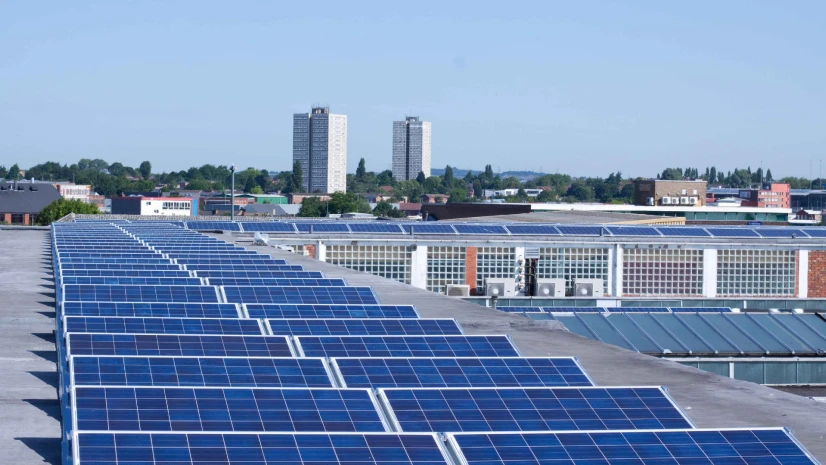
Design Commercial Solar Around Facility Loads and Operating Needs
Commercial buildings rarely use electricity in the same way. A warehouse may rely heavily on lighting, ventilation, refrigeration, and material-handling equipment, while a retail property may experience its highest demand during business hours. Office buildings can have substantial HVAC and computer loads, and industrial facilities may operate equipment that creates much higher electrical demand.
Commercial solar services should begin with an evaluation of how the property consumes electricity. Historical utility statements can provide insight into monthly usage, seasonal demand, and periods when consumption is highest. This information helps determine an appropriate commercial solar system size and how much on-site generation may be useful for the facility.
Time-of-use utility schedules are particularly important for many commercial properties. Electricity pricing can vary throughout the day, and peak demand periods may significantly affect operating costs. Understanding when a facility consumes power allows a solar system to be planned around real operating patterns rather than relying only on total monthly consumption.
Available installation space is another major consideration. Commercial rooftop solar projects often have larger surface areas than residential installations, but those roofs may also contain HVAC equipment, vents, skylights, access routes, drainage systems, and structural features that affect panel placement. A commercial rooftop solar layout should account for those elements while making effective use of suitable areas.
Structural conditions must also be reviewed. Large commercial solar panel installations add equipment across substantial roof areas, so mounting plans must account for structural capacity, roof type, attachment methods, wind conditions, and access requirements. Some properties may require additional structural planning before an array can be installed.
Electrical infrastructure plays an equally important role. Commercial facilities may have larger service equipment, multiple electrical panels, transformers, switchgear, or complex distribution systems. The planned solar array must integrate with that infrastructure while accounting for building loads and available capacity.
For industrial solar installation, electrical and operational considerations may be even more involved. Machinery, production equipment, motors, and large HVAC loads can create changing demand throughout the day. System design should account for these patterns and determine how solar generation can work alongside the property’s existing electrical system.
Commercial solar energy systems can also be planned with future growth in mind. A business expecting to add EV charging stations, expand manufacturing equipment, increase refrigeration capacity, or electrify other building systems may see higher electricity use over time. Considering those changes during initial design can help create a system aligned with longer-term property needs.
Commercial solar panel installation is therefore much more than selecting a panel quantity. It combines electrical analysis, structural planning, property layout, operating schedules, and future energy requirements into one coordinated project.
Turn Commercial Property Space Into an Energy-Producing Asset
Many commercial properties contain large rooftops or open areas that serve no active energy function. Commercial solar installation provides a way to use these spaces for electricity generation without requiring major changes to the building’s everyday purpose.
A warehouse roof, for example, may offer substantial surface area for commercial solar panels. Retail centers, office buildings, manufacturing facilities, and other properties may also have suitable rooftops capable of supporting arrays designed around facility demand. Where rooftop conditions are not appropriate, other property areas may be evaluated for alternative solar configurations.
Generating electricity on-site can reduce the amount of power a business needs to purchase from the utility. For facilities with significant daytime operations, solar production may align with periods when lighting, cooling, machinery, computers, and other equipment are actively consuming electricity.
This can help businesses manage one of their recurring operating expenses. Utility rates can change, and commercial properties may also face demand-related charges or varying time-of-use pricing. Solar energy for businesses provides another source of electricity that can reduce exposure to some of these cost pressures.
Commercial rooftop solar can also support sustainability objectives. Businesses, industrial operators, property managers, and institutions may have internal goals related to energy use or carbon emissions. Producing electricity from sunlight can reduce dependence on conventional grid power while making active use of existing property space.
The value of a business solar installation should be evaluated based on actual site conditions. Available roof area, energy consumption, sunlight exposure, structural suitability, utility requirements, and electrical infrastructure all influence the potential design. Not every property will use the same system size or configuration.
Commercial solar systems can also work alongside battery storage. Stored electricity can provide additional flexibility for properties that want to shift energy use, manage certain peak periods, or maintain selected loads during some utility disruptions. The appropriate battery configuration depends on the property’s electrical demand and operational priorities.
EV charging may also be incorporated into a broader energy strategy. Commercial properties adding workplace EV charging stations or charging access for tenants and visitors can create additional electrical demand. Planning commercial solar, storage, and charging infrastructure together can provide a clearer approach to future power requirements.
Businesses may also consider available financial incentives and applicable accelerated depreciation provisions when evaluating a project. Eligibility and financial outcomes vary, so these considerations should be reviewed based on the specific project and current requirements rather than assumed.
A commercial solar installation turns suitable property space into part of the building’s energy infrastructure. When the system is matched to facility consumption and operating patterns, it can support greater control over electricity use while helping the property prepare for changing energy needs.
Coordinate Commercial Solar Installation From Planning Through Grid Connection
Commercial solar panel installation involves multiple technical and administrative stages that must work together before a system can begin producing electricity. A structured process helps keep the project aligned with building conditions, electrical requirements, permitting standards, and utility interconnection procedures.
The first stage is typically a site and energy assessment. This review evaluates electricity usage, demand patterns, available installation space, roof or ground conditions, shading, electrical equipment, and potential structural considerations. These findings form the basis of the commercial solar system design.
Engineering follows the assessment. The system layout determines where panels will be positioned, how many modules are appropriate, how mounting equipment will be configured, and how electricity will move from the array into the facility’s electrical infrastructure.
Electrical design is particularly important for commercial properties. Existing switchgear, electrical panels, transformers, service capacity, and distribution equipment must be considered when determining how the solar array will connect to the building. Larger properties may require additional coordination because of higher electrical loads or more complex distribution systems.
Commercial rooftop solar projects also need careful structural planning. Engineers may evaluate roof framing, load capacity, mounting locations, equipment spacing, and other physical conditions. The goal is to create an installation that works with the building rather than interfering with essential roof systems or access areas.
Permitting requirements must be addressed before construction. Project plans may need to satisfy local building, fire, structural, and electrical requirements. Utility documentation and interconnection applications may also be required for grid-connected systems.
Once approvals are in place, construction can begin. Mounting equipment is installed according to the approved layout, followed by commercial solar panels, wiring, conduit, inverter equipment, disconnects, and other electrical components. Installation sequencing may be planned around facility operations to reduce unnecessary disruption.
Warehouses and industrial properties may require additional coordination around loading areas, manufacturing schedules, roof access, or active work zones. Commercial solar installation services should account for these site-specific constraints before installation activity begins.
After construction, inspections verify applicable portions of the completed system. Electrical connections, structural components, equipment placement, labeling, and other project elements may be reviewed before the system receives final authorization.
Utility interconnection is another critical stage. Grid-connected commercial solar systems must meet applicable utility requirements before they can operate as intended. Once authorization is granted, the system can be activated and begin generating electricity.
Monitoring equipment can provide ongoing visibility into system output. Facility managers can review generation data, identify unusual production changes, and compare system performance over time. Regular monitoring can also help identify when panels, inverters, wiring, or other components may require inspection.
Ongoing solar system maintenance can support long-term production. Commercial arrays may accumulate dust, debris, bird droppings, and environmental buildup, particularly across large rooftop surfaces. Periodic cleaning and system checks can help preserve sunlight exposure and identify equipment issues before they cause extended downtime.
Commercial solar services bring together energy analysis, engineering, structural planning, electrical integration, construction, permitting, inspection, and utility coordination. When each phase is planned around the property and its operating requirements, the finished system can become a long-term part of the facility’s energy strategy.

Plan Smarter Energy Upgrades
Considering solar, storage, EV charging, or electrical improvements? Discuss your property goals with our in-house project team.
Frequently Asked Questions About Commercial Solar
-
Warehouses, offices, retail centers, industrial facilities, multi-family properties, schools, campuses, and other commercial buildings may be suitable depending on available space, structural conditions, and energy use.
-
System size is based on factors such as historical electricity usage, available installation space, sunlight exposure, electrical capacity, operating schedules, and future energy needs.
-
Yes. Commercial solar systems can be paired with battery storage to provide greater flexibility in how generated electricity is stored and used.
-
Yes. Commercial solar, battery storage, and EV charging infrastructure can be planned together based on the property’s electrical capacity and expected charging demand.
-
Available payment options include cash, check, and credit. Financing options and incentive guidance may also be available.