Take the First Step Toward Energy Control
Take Control of Home Energy With Residential Solar Installation in Chula Vista, CA
High electricity bills can make monthly household expenses harder to predict, especially when utility rates change over time. Residential solar installation gives homeowners in Chula Vista, CA, a practical way to generate electricity directly from their property and reduce how much power they need to purchase from the grid. Instead of relying entirely on utility-supplied electricity, rooftop solar panels can produce energy during daylight hours for appliances, lighting, air conditioning, electronics, and other everyday household needs.
A successful home solar installation starts with the property itself. Roof size, orientation, shading, structural conditions, electricity consumption, and existing electrical equipment all influence how a residential solar system should be planned. These factors help determine the number of panels, system layout, expected production, and electrical requirements needed to support the installation.
Residential solar panels can also support changing energy demands. A household planning to add an electric vehicle, battery storage, electric appliances, a heat pump, or other high-use equipment may need more electrical capacity in the future. Planning around both current and expected usage can help create a home solar energy system that remains useful as household needs change.
Rooftop solar installation also turns an existing part of the property into an energy-producing asset. Rather than allowing available roof space to remain passive, solar modules use sunlight to generate electricity that can support daily energy consumption. For homeowners facing high utility costs, this creates another way to manage how energy is produced and used.
A residential solar installation should do more than place equipment on a roof. It should connect panel placement, electrical integration, system sizing, monitoring, permitting, inspection, and utility requirements into one coordinated system. Each step affects how the finished installation performs, making careful planning important from the first assessment through activation.
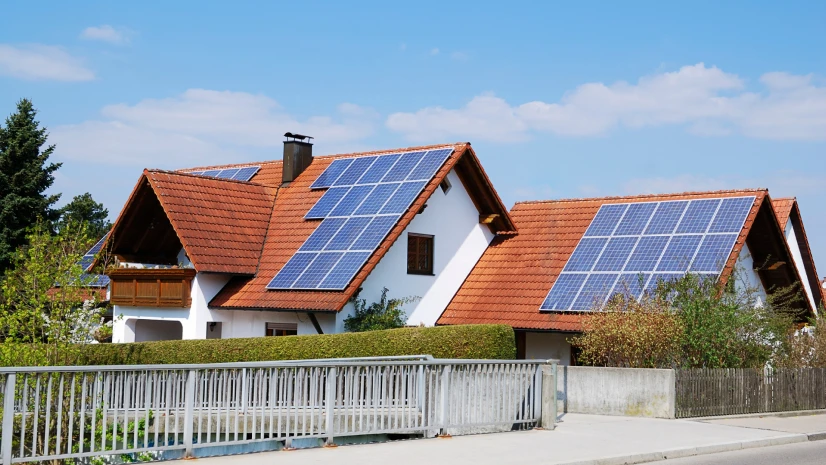
Plan a Residential Solar System Around Your Home and Energy Usage
Every household uses electricity differently, so residential solar systems should be designed around actual consumption rather than a standard panel package. A home with central air conditioning, a swimming pool, several occupants, electric appliances, or an EV charger may use significantly more electricity than a smaller property with fewer electrical loads. Understanding those differences helps establish a more appropriate solar power system installation.
Historical electricity usage provides an important starting point. Monthly utility statements can show how much energy a household consumes and how that usage changes throughout the year. Summer air conditioning, seasonal equipment, home offices, and other factors may create noticeable peaks. Reviewing those patterns helps determine how much solar generation may be appropriate for the home.
The roof also plays a major role in residential solar installation services. Available surface area, roof pitch, sun exposure, orientation, and shading can influence the placement of residential solar panels. Trees, chimneys, vents, neighboring structures, and roof geometry may affect where panels can receive consistent sunlight. A thoughtful layout accounts for those conditions while maintaining suitable access around roof features.
Structural considerations should also be reviewed before installation. Rooftop solar panels add equipment to the home, so the mounting design must account for the roof structure and the placement of attachment points. The goal is to create a secure installation that supports the equipment while maintaining the integrity of the roof.
Electrical capacity is another important part of home solar panel installation. The existing electrical panel, service rating, wiring, and household loads should be reviewed to determine whether the property can support the proposed solar system. Some homes may already have sufficient electrical capacity, while others may require upgrades before or during installation.
Equipment selection also influences system performance. Solar modules, inverters, mounting equipment, disconnects, wiring, and monitoring devices all work together as part of the residential solar system. Tier-1 panels can provide a strong foundation when combined with appropriate electrical components and a layout suited to the property.
Future energy use should be considered as well. Homeowners planning an EV charger, battery backup, electric water heater, heat pump, or additional appliances may want the solar design to reflect those expected loads. Planning ahead can make the system more aligned with the household’s long-term energy direction.
Residential solar installation works most effectively when system sizing, panel layout, structural conditions, and electrical requirements are considered together. This approach creates a home solar energy system based on how the property actually uses electricity rather than relying on a one-size-fits-all design.
Use Rooftop Solar Panels to Reduce Grid Reliance and Manage Energy Costs
Residential solar installation allows homeowners to generate a portion of their electricity where it is used. During daylight hours, rooftop solar panels convert sunlight into usable electricity for household electrical loads. This can reduce the amount of power purchased from the utility and give homeowners greater control over how their property meets everyday energy demand.
For homes with high monthly electricity usage, solar generation can offset a meaningful portion of grid consumption. Cooling systems, refrigerators, lighting, electronics, pool equipment, laundry appliances, and other devices can create substantial electrical demand throughout the day. Home solar energy systems provide an additional source of electricity that can help support these loads.
The amount of electricity a system produces depends on several factors. Panel quantity, panel efficiency, roof orientation, shading, seasonal sunlight, and local conditions can all influence production. Household consumption also affects how much utility electricity may still be required after solar is installed. Because these factors vary from property to property, system expectations should be based on the specific home rather than broad assumptions.
Time-of-use utility pricing can make the timing of electricity consumption especially important. Electricity may cost more during certain periods of the day, so homeowners can benefit from understanding when their household uses the most power and how solar production aligns with that demand.
Battery storage can add another layer of energy control. When residential solar panels produce electricity that is not immediately used, compatible battery equipment can store energy for later. Stored electricity may then be available during peak-rate periods or certain grid outages, depending on system configuration and available capacity.
Solar can also support households that are gradually moving toward greater electrification. EV chargers, electric cooking appliances, electric water heating, and HVAC equipment can increase overall power consumption. A properly planned residential solar system can become part of a broader strategy for handling those new loads without relying exclusively on utility electricity.
There are environmental benefits as well. Generating electricity from sunlight reduces the amount of conventional grid power a household needs to purchase. Over the operating life of a solar energy system, this can reduce the property’s carbon footprint while making productive use of existing roof space.
Homeowners considering residential solar installation should focus on how generation matches their real energy needs. A larger system is not automatically the right choice, and a smaller system may not provide enough production for a high-consumption household. Careful sizing helps balance available roof space, electricity usage, electrical capacity, and long-term goals.
The value of rooftop solar comes from creating an energy system that fits the household. When system design is aligned with how and when electricity is used, residential solar panels can help reduce grid reliance, improve control over energy expenses, and prepare the property for future electrical demands.
Follow a Structured Home Solar Installation Process From Assessment to Activation
Home solar panel installation involves several coordinated stages before electricity can be generated for household use. A structured process helps address roof conditions, system design, electrical requirements, permitting, installation, inspection, and utility connection in the correct order.
The first stage is the property assessment. This review considers historical electricity usage, roof characteristics, shading, structural conditions, electrical equipment, and available installation space. The information gathered during this stage helps establish the basic requirements for the residential solar installation.
System design follows. Panel placement, array size, mounting configuration, inverter equipment, wiring paths, and electrical connections are planned around the property. The layout should provide suitable sunlight exposure while accounting for roof features and required access areas.
Electrical planning is completed alongside the solar design. Load calculations and existing panel capacity help determine whether the electrical system can support the planned installation. If an electrical panel is outdated or undersized, an upgrade may be necessary to provide adequate capacity.
Permitting is another essential part of residential solar installation services. Plans must reflect applicable building and electrical requirements before installation can move forward. Grid-connected systems may also need utility documentation and interconnection approval.
Once project requirements are addressed, installation can begin. Roof attachment points and mounting equipment are installed first, followed by the solar modules. Electrical wiring, conduit, inverter equipment, disconnects, and other system components are then connected according to the approved design.
Attention to installation details matters because the solar array must function as part of the home’s broader electrical system. Wiring must be properly routed, electrical connections must support the required loads, and equipment must be installed in appropriate locations for safe operation and future access.
After installation, applicable inspections are completed. Inspectors may review structural attachments, electrical work, equipment placement, and other project elements to verify compliance with relevant requirements. Utility approval may also be required before a grid-connected system is authorized to operate.
Once activation is complete, monitoring tools can provide information about system production. Homeowners can use this data to track solar generation and notice significant changes in performance. A sudden drop in output, for example, may indicate that panels, wiring, inverters, or other components need attention.
Ongoing care can also support long-term production. Solar panels may accumulate dust, debris, bird droppings, and environmental buildup over time. Periodic cleaning and system checks can help maintain sunlight exposure and identify potential equipment concerns before they become larger problems.
Residential solar installation connects many individual steps into one working energy system. From initial usage analysis to final activation, each stage contributes to how effectively the system serves the home. Careful planning, suitable equipment, proper electrical integration, and ongoing monitoring can help homeowners make better use of their rooftop space while producing electricity for everyday household needs.

Plan Smarter Energy Upgrades
Considering solar, storage, EV charging, or electrical improvements? Discuss your property goals with our in-house project team.
Frequently Asked Questions About Residential Solar
-
The number depends on household electricity usage, roof space, sunlight exposure, panel output, and energy goals. Historical utility usage can help determine an appropriate system size.
-
Yes. Compatible battery systems can store electricity for later use, including peak-rate periods and certain power outages.
-
Not every home requires one. The existing panel and electrical capacity should be reviewed to determine whether an upgrade is necessary for the planned system.
-
Yes. Solar generation and EV charging can be planned together based on vehicle charging needs, household consumption, and available electrical capacity.
-
Available payment options include cash, check, and credit. Financing options and incentive guidance may also be available.