Take the First Step Toward Energy Control
Restore System Output With Solar Repair Services in Chula Vista, CA
Solar energy systems are designed for long-term operation, but individual components can still wear down, fail, or develop performance issues over time. Solar repair services in Chula Vista, CA, help property owners identify problems, restore system output, and keep equipment operating as intended.
A drop in solar production can come from several sources. Wiring faults, inverter problems, loose electrical connections, damaged modules, degraded hardware, communication errors, or environmental wear can all affect how much electricity a system produces. In some cases, the issue is obvious. In others, the system may continue operating at reduced output without a clear warning.
Solar system maintenance helps identify these problems before they lead to extended downtime. Performance testing, equipment checks, visual inspections, and electrical diagnostics can reveal changes that may not be noticeable from the ground.
Solar panel repair and solar inverter repair should be based on the actual cause of the problem rather than assumptions. Testing equipment and monitoring data can help isolate faults and determine whether a component needs adjustment, repair, or replacement.
Routine solar panel servicing also supports long-term system care. Connections, equipment condition, inverter operation, mounting hardware, and visible panel damage can all be reviewed as part of ongoing maintenance.
A solar energy system works as a connected network of electrical and mechanical components. When one part of that network is underperforming, overall production can suffer. Structured solar maintenance and repair help restore operation while protecting the long-term value of the system.
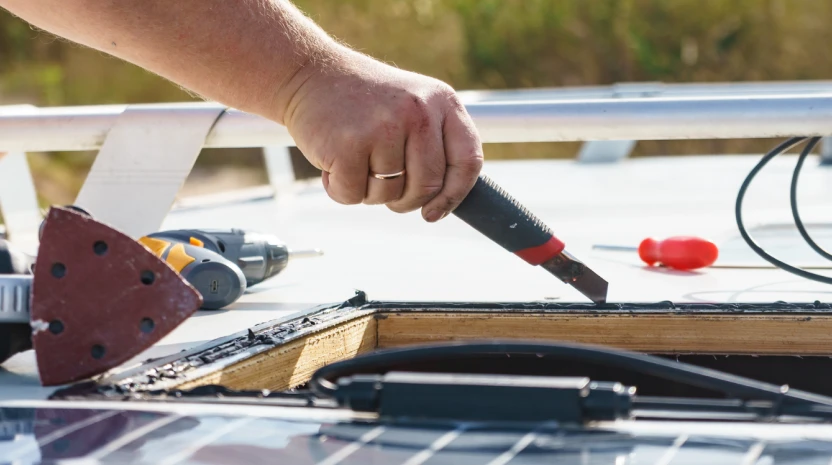
Diagnose Solar System Problems Before They Reduce Output Further
A solar system can experience performance issues for many reasons, which is why accurate diagnostics are an important first step in repair work. Replacing parts without identifying the source of the problem can waste time and may leave the underlying issue unresolved.
Solar system inspection typically begins with a review of available monitoring data and system behavior. If production has fallen suddenly or gradually, that information can provide clues about where the problem may be occurring. Comparing current output with expected performance can help identify whether the issue affects one panel, one string, an inverter, or a larger portion of the system.
Visual inspection can also reveal important signs. Cracked modules, damaged wiring, loose connectors, corrosion, burnt components, water intrusion, animal damage, and physical wear may all interfere with system operation.
Electrical testing provides more detailed information. Voltage, current, continuity, insulation condition, and other electrical measurements can help identify faults within wiring, strings, inverters, disconnects, and related equipment. Solar performance testing is especially useful when a system appears to be operating but is producing less electricity than expected.
Inverter problems are a common source of solar system faults because the inverter converts electricity produced by the panels into usable power for the property. Error codes, shutdowns, communication failures, or abnormal output can indicate the need for solar inverter service.
Some systems use multiple inverters or module-level electronics, which can make it easier to isolate underperforming sections. Other systems may require more extensive testing to determine where the fault is located.
Wiring faults can also reduce output or cause system shutdowns. Loose connections, damaged conductors, deteriorated insulation, improper terminations, and environmental exposure can affect electrical performance. These issues should be addressed carefully because solar arrays can produce electricity whenever they are exposed to sunlight.
Solar panel troubleshooting may also involve checking for physical damage, shading changes, debris accumulation, or module degradation. A panel that is cracked, heavily soiled, or electrically compromised can affect the output of the surrounding system depending on the system design.
Mounting equipment and roof penetrations should also be reviewed where applicable. Loose hardware, damaged seals, corrosion, or movement can create structural or water-related concerns that go beyond electrical output.
A thorough diagnostic process helps separate minor maintenance needs from larger system faults. This allows repair work to focus on the actual problem instead of relying on trial and error.
Repair Inverters, Wiring, Panels, and Other Solar System Components
Once the source of a problem is identified, solar system repair can focus on restoring the affected equipment or connection. The type of repair depends on the component, the extent of the damage, equipment compatibility, and the condition of the surrounding system.
Solar inverter repair may involve addressing wiring, communication errors, internal faults, failed components, or equipment that is no longer operating within normal parameters. In some situations, repair may be possible. In others, replacement may be the more practical path, particularly when an inverter has reached the end of its service life or replacement parts are unavailable.
Solar panel repair varies depending on the issue. Physical module damage may require replacement rather than repair, while wiring or connector problems associated with a panel may be correctable. The condition of the module, manufacturer requirements, and system configuration all affect the proper approach.
Electrical connections are another important repair area. Loose or damaged connectors can create resistance, reduce performance, and increase electrical risk. Wiring should be inspected and corrected according to the system design and applicable requirements.
Solar system repair may also involve disconnects, breakers, fuses, combiner equipment, monitoring devices, or communication hardware. A fault in any of these components can interrupt production even when the solar panels themselves remain in good condition.
Older solar energy systems may present additional challenges. Equipment models can become discontinued, communication platforms may change, and replacement components may be harder to source. Repair planning should consider compatibility so that new parts work correctly with the existing system.
Solar maintenance services can also address smaller issues before they develop into larger failures. Tightening hardware, replacing damaged labels, correcting exposed conduit, securing wiring, and addressing visible deterioration can support safer and more consistent operation.
Solar panel maintenance is especially important after unusual weather conditions, nearby construction, roof work, or other events that may affect equipment. Even if the system continues operating, an inspection can help identify damage that may not yet have caused a complete shutdown.
Documentation also plays an important role in repair work. Recording test results, identified faults, replaced components, and corrective work creates a clearer history of system condition over time.
For commercial and residential systems alike, repair work should restore more than basic operation. The goal is to return the system to appropriate electrical and mechanical condition while reducing the likelihood that the same issue will recur.
Solar repair services help preserve the usefulness of an existing system by correcting failures rather than allowing reduced production or damaged equipment to continue unchecked.
Use Routine Solar Maintenance to Support Long-Term System Performance
Solar energy systems spend years exposed to heat, sunlight, wind, dust, rain, and changing weather conditions. While many components are designed for outdoor use, regular inspection and maintenance can help identify wear before it affects energy production.
Solar maintenance begins with monitoring. Changes in production can often be one of the earliest signs that something needs attention. A sudden drop may point to an inverter fault or electrical problem, while a gradual decline may be related to dirt, shading changes, equipment aging, or other factors.
Routine solar system inspection can include visual checks of panels, mounting systems, wiring, conduit, inverters, disconnects, and other accessible components. Signs of corrosion, loose hardware, damaged insulation, cracked modules, or water exposure should be investigated rather than ignored.
Solar panel maintenance may also include checking whether new shading has developed. Tree growth, new structures, rooftop equipment, or nearby construction can reduce sunlight exposure even when the panels themselves remain in good condition.
Inverter operation should be monitored because the inverter plays a central role in system performance. Warning lights, fault messages, repeated resets, unusual noise, or communication loss may signal the need for solar inverter service.
Electrical equipment should also be reviewed for signs of overheating or deterioration. Discoloration, damaged insulation, burnt smells, or repeated breaker trips can indicate problems requiring prompt attention.
Commercial solar maintenance may involve larger arrays with more equipment, which can make systematic inspection especially important. Multiple inverters, long wiring runs, combiner equipment, monitoring systems, and extensive panel fields create more potential points where issues can develop.
Residential solar maintenance follows the same principle on a smaller scale. Homeowners may notice reduced production through monitoring software, utility bills, or system alerts. Investigating those changes early can help prevent a minor fault from becoming a longer outage.
Cleaning may also support system performance when panels become heavily covered with dust, bird droppings, or other debris. Cleaning should use methods that avoid damaging panel coatings, seals, wiring, or mounting equipment.
Preventive maintenance does not guarantee that equipment will never fail, but it can make changes in system condition easier to identify. Early detection can also reduce the amount of time a system operates below its intended output.
A maintenance schedule should reflect the system size, environment, equipment type, age, and operating history. A newer residential array may have different needs from an older commercial installation with years of service.
Solar system maintenance is ultimately about protecting energy production. Monitoring, inspections, testing, repairs, and documentation work together to keep the system operating consistently and provide a clearer picture of its condition over time.

Plan Smarter Energy Upgrades
Considering solar, storage, EV charging, or electrical improvements? Discuss your property goals with our in-house project team.
Frequently Asked Questions About Solar Maintenance & Repair
-
Warning signs can include lower energy production, inverter error messages, unexpected shutdowns, damaged panels, wiring issues, communication failures, or repeated electrical faults.
-
Some inverter issues can be corrected, while others may require replacement. Testing helps determine the cause and the appropriate repair approach.
-
Inspection frequency depends on system age, equipment condition, environment, performance history, and manufacturer guidance. Changes in output should be investigated promptly.
-
In many systems, individual damaged modules can be replaced when compatible equipment is available, and the surrounding electrical system remains in suitable condition.
-
Yes. Solar performance testing can help identify underperforming equipment, electrical faults, inverter issues, and other conditions affecting system output.