Take the First Step Toward Energy Control
Store Power for When It Matters With Battery Storage Services in Chula Vista, CA
Power outages, changing utility rates, and periods of high electricity demand can make it difficult for property owners to control when and how they use energy. Battery storage services in Chula Vista, CA, provide a way to store electricity for later use instead of relying entirely on the grid at every moment of the day.
A battery energy storage system can collect electricity from a solar array or another compatible power source and hold that energy until it is needed. Depending on the system configuration, stored electricity can support selected household or commercial loads during grid outages, help reduce reliance on utility power during peak-rate periods, and provide greater flexibility in how energy is consumed.
Battery storage installation should be based on actual electrical demand. The amount of energy used by appliances, lighting, HVAC equipment, refrigeration, communications equipment, security systems, and other loads helps determine what battery capacity may be appropriate. Properties with solar energy systems also need to consider how much electricity the solar array produces and when excess generation may be available for storage.
Equipment such as Tesla Powerwall and Enphase IQ Battery can support residential and commercial energy storage applications when properly sized and configured. A successful installation also requires electrical planning, safe equipment placement, system integration, monitoring setup, and code-compliant connections.
Battery storage is not simply about adding backup equipment. It is about creating an energy system that can respond more effectively to outages, peak demand, changing rates, and daily consumption patterns while supporting the electrical priorities of the property.
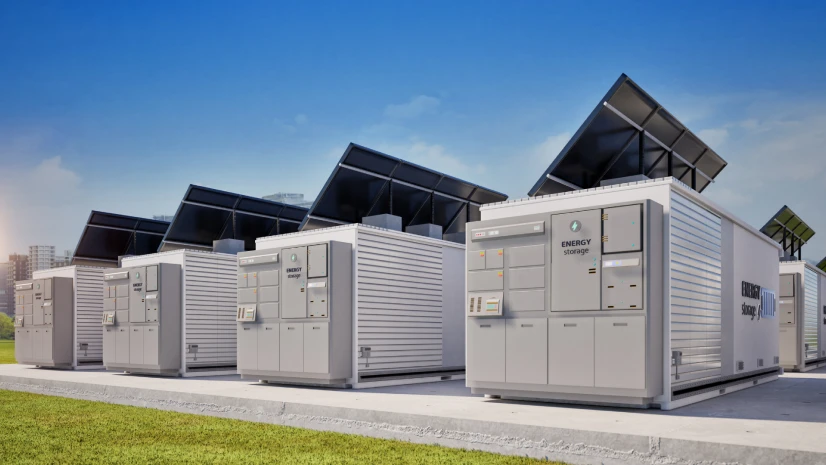
Match Battery Storage Capacity to Your Property and Electrical Loads
Every property has different energy needs, which makes battery sizing an important part of the planning process. A residential battery storage system designed to support a refrigerator, lighting, internet equipment, and selected outlets during an outage will have different requirements from a system intended to operate air conditioning, larger appliances, or most household loads.
The same principle applies to commercial battery storage. Businesses may need to support communications systems, security equipment, refrigeration, computers, lighting, machinery, or other essential operations. Identifying priority loads helps determine how much stored energy is needed and how the system should distribute power when utility electricity is unavailable or expensive.
Historical electricity consumption can provide useful information during battery planning. Utility statements reveal how much energy a property uses across different billing periods, while more detailed monitoring can show when consumption rises and falls throughout the day. These patterns help establish whether the primary goal is backup power, peak-demand management, solar energy storage, or a combination of uses.
Battery capacity is commonly measured according to how much energy the system can store and deliver. Choosing an appropriate capacity involves balancing expected loads, desired backup duration, available charging sources, and the physical space available for equipment.
A whole home battery backup configuration may require more storage capacity than a system designed to support only selected circuits. Prioritizing essential loads can allow stored energy to last longer during an outage by limiting consumption to equipment that matters most.
Solar battery installation adds another consideration. A solar array may produce more electricity than the property is using during certain daylight hours. Compatible batteries can store some of that energy instead of allowing all unused production to flow elsewhere. Stored solar energy can then be used later when panels are producing less electricity or when household or facility demand increases.
Electrical infrastructure must also be evaluated before installation. Existing service capacity, electrical panels, wiring, disconnects, and load requirements influence how a battery backup system installation should be connected. Some properties may require electrical modifications before storage equipment can be integrated safely.
Equipment placement is also important. Battery systems require suitable locations based on manufacturer requirements, environmental conditions, accessibility, clearances, and applicable electrical and building rules. Residential and commercial properties may have different placement options depending on the available interior or exterior space.
Smart monitoring adds visibility after installation. Modern energy storage systems can provide real-time information about stored capacity, charging activity, electricity usage, and energy deployment. This allows property owners to see how the battery is operating and understand when stored electricity is being used.
A properly sized energy storage system brings together consumption patterns, priority loads, available solar production, electrical capacity, and backup goals. Careful planning helps ensure the battery system is aligned with the way the property actually uses power.
Store Energy for Outages, Peak Rates, and Changing Demand
One of the most practical uses for battery storage is maintaining access to stored electricity when grid power becomes unavailable. Utility disruptions can interrupt lighting, refrigeration, communications, security systems, internet equipment, and other electrical loads. A battery backup installation can be configured to keep selected circuits operating for a period of time based on available stored capacity and energy consumption.
Backup duration varies from property to property. A battery supporting only critical loads can typically preserve stored energy longer than a system supplying several high-demand appliances at once. Air conditioning equipment, electric heating, water heaters, pumps, and other large loads can consume stored energy more quickly, which is why load planning is an important part of system design.
Battery storage can also help manage electricity during peak-rate periods. Some utility plans charge different rates depending on the time of day. A battery energy storage system can store electricity when conditions are more favorable and make that energy available when utility rates are higher, depending on the configuration and applicable rate structure.
When paired with solar, energy storage creates another way to use electricity generated on-site. Solar panels generally produce power during daylight hours, but household or commercial demand may continue into the evening. Solar battery storage allows some daytime production to be reserved for later rather than requiring the property to rely immediately on grid electricity once solar generation decreases.
Residential battery storage can be useful for homeowners who want greater control over essential household power. Refrigerators, lights, internet equipment, medical devices, garage doors, security systems, and selected outlets can be considered during backup planning based on household priorities.
Commercial energy storage can serve different objectives. Businesses may use stored electricity to support critical equipment, reduce exposure to certain peak-demand periods, or coordinate energy use with on-site solar generation. Facilities with sensitive operations can prioritize loads that need to remain available when grid conditions change.
Battery systems can also prepare properties for higher future electrical demand. Electric vehicles, heat pumps, electrical appliances, expanded commercial equipment, and other technologies can change how much power a building uses. Storage may become one component of a broader electrical strategy involving solar generation, panel capacity, charging equipment, and load management.
Real-time monitoring can help users understand these patterns after installation. Battery management platforms may display state of charge, solar production, household or facility demand, and grid interaction. This information can help property owners see how stored electricity moves through the system during normal operation.
Battery storage does not create unlimited power during an outage. Available electricity remains tied to battery capacity, current charge level, connected loads, and whether a solar array can recharge the system under the installed configuration. Understanding these limits helps property owners set realistic expectations for backup performance.
When storage capacity and load priorities are planned carefully, a battery system can provide a useful layer of flexibility between the property, the solar array, and the utility grid.
Integrate Battery Storage With Solar and Existing Electrical Systems
Battery storage installation requires careful coordination with the property’s electrical system. The equipment must be connected in a way that allows electricity to move safely between the grid, solar array, battery, and designated electrical loads.
The process begins with evaluating the existing electrical setup. Service size, electrical panel capacity, circuit layout, solar equipment, and expected battery loads all influence system design. This assessment helps determine where the storage equipment should connect and whether additional electrical work is needed.
For properties with existing solar, compatibility must also be reviewed. Different solar systems use different inverter configurations and control equipment. The battery system needs to work correctly with those components so electricity can be captured, stored, and released according to the planned operating mode.
Properties installing solar and battery storage together can coordinate both systems from the beginning. Solar array sizing, inverter selection, battery capacity, electrical panel requirements, and monitoring can then be planned as parts of one connected energy system.
Installation includes mounting or positioning the battery equipment, completing electrical wiring, installing required disconnects and control devices, and configuring any gateway or energy management equipment. Applicable clearance, ventilation, equipment protection, and access requirements must also be addressed.
Battery backup system installation may include selecting which circuits will receive stored power during a grid outage. Critical-load configurations can isolate specific circuits, while other designs may support a broader portion of the property depending on equipment capacity and electrical requirements.
Once electrical work is completed, system settings and monitoring equipment must be configured. Smart controls determine how the battery charges and discharges based on operating preferences, available solar power, grid conditions, and other system settings.
Testing is an important part of commissioning. The battery, controls, monitoring equipment, and electrical connections should operate together as intended before the system is placed into regular use. Backup functions may also be tested to confirm that designated loads respond correctly when grid power is interrupted.
After activation, monitoring allows property owners to track performance over time. Users can review available stored energy, charging activity, electricity consumption, and system status. These tools can make it easier to understand how battery storage fits into daily energy use.
Periodic system attention remains important. Monitoring alerts, unusual changes in performance, or equipment notifications should be reviewed rather than ignored. Battery systems contain sophisticated electrical and electronic components that should be serviced according to applicable equipment requirements.
Battery storage services can connect solar generation, backup power, and everyday electrical demand into one coordinated system. When capacity, electrical integration, load priorities, and monitoring are planned correctly, property owners gain greater flexibility in deciding when stored electricity is available and how it supports their home or facility.

Plan Smarter Energy Upgrades
Considering solar, storage, EV charging, or electrical improvements? Discuss your property goals with our in-house project team.
Frequently Asked Questions About Battery Storage
-
Yes. A properly configured battery backup system can power designated electrical loads during an outage based on available stored capacity and connected demand.
-
Yes. Compatible battery systems can store electricity generated by solar panels for later use, including evening hours, peak-rate periods, or certain outages.
-
Capacity depends on electricity usage, priority loads, desired backup duration, available solar generation, and whether the system is intended for residential or commercial use.
-
Battery storage may use equipment such as Tesla Powerwall and Enphase IQ Battery, depending on the property, electrical system, compatibility, and project requirements.
-
Yes. Compatible smart monitoring tools can display stored capacity, charging activity, electricity consumption, and how energy is being deployed.